What is the role of landscape in Truth and Justice, both the book and the
film? How does the manner in which the landscape is represented in the book, and the
way in which the landscape is represented in the film, differ from one
another?
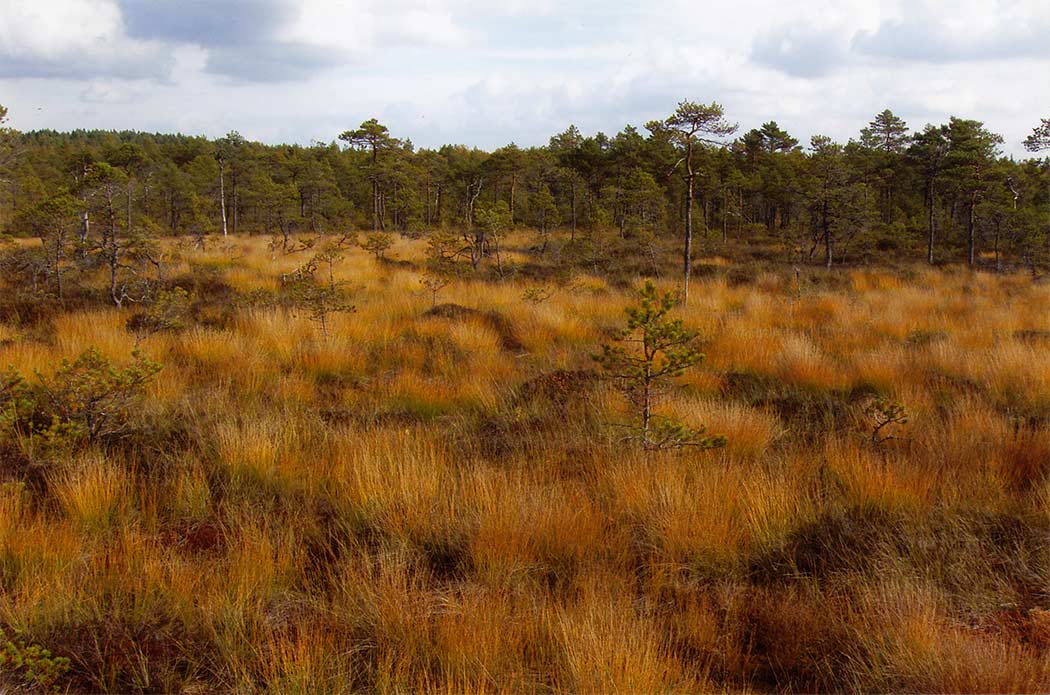
Truth and Justice can be seen as a book that describes the relationship of
Estonians to the land, or with natural surroundings in a wider sense. Conversely, the
novel and film have come to influence how Estonians think about their landscapes and
nature in general.
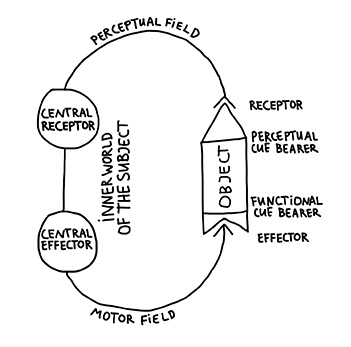
Semiotician Timo Maran has developed the model of the “nature-text” to describe the
interrelationship between written texts and nature.
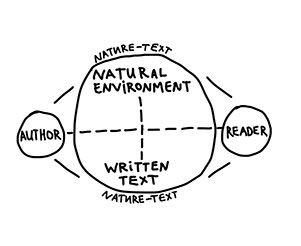
The concept of the “nature-text” refers to the meaningful connectedness between
nature and certain texts – one is not understandable without knowing the other. For
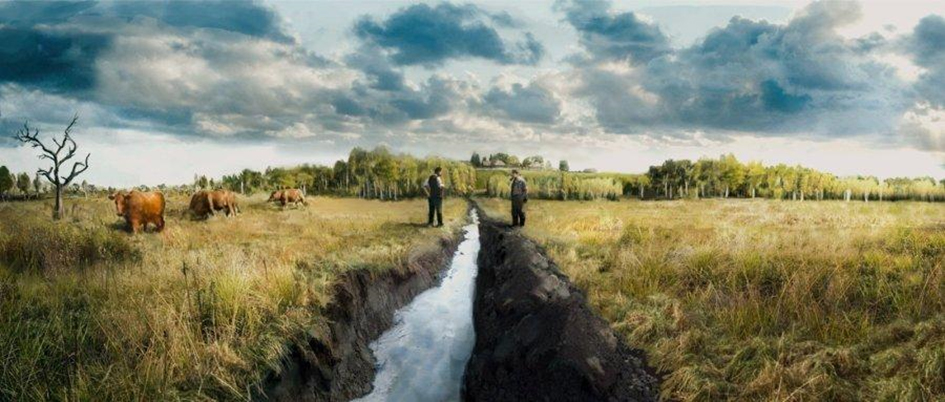
example, it is difficult to understand the main storylines and topics in
Truth and Justice when one has never visited a bog, and does not know what it
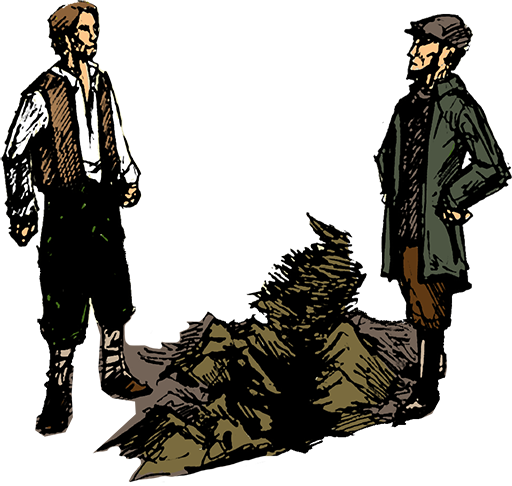
feels like to move around in one. In dragging the stuck cow out from the bog, Andres
and Pearu bicker on the topics of digging ditches and struggling with rocky and
fruitless land, and also express their joy on growing and harvesting grain — these
topics would not be entirely understandable for the reader who cannot imagine the
difficulty of living in a boggy landscape.
Conversely, human activity and culture creates new signs pertaining to everyday
landscapes, for example in the form of place names. The original “Robber’s Rise” is
located in the Kõrvemaa region, and locals from Kõrvemaa know some of the places from
the book well. For example, the location of the big stone where the kids are playing
while participating in the herd is well known, with locals calling this stone
“Mängukivi” ( or “Playstone”, a stone that is meant for playing). Similarly known by
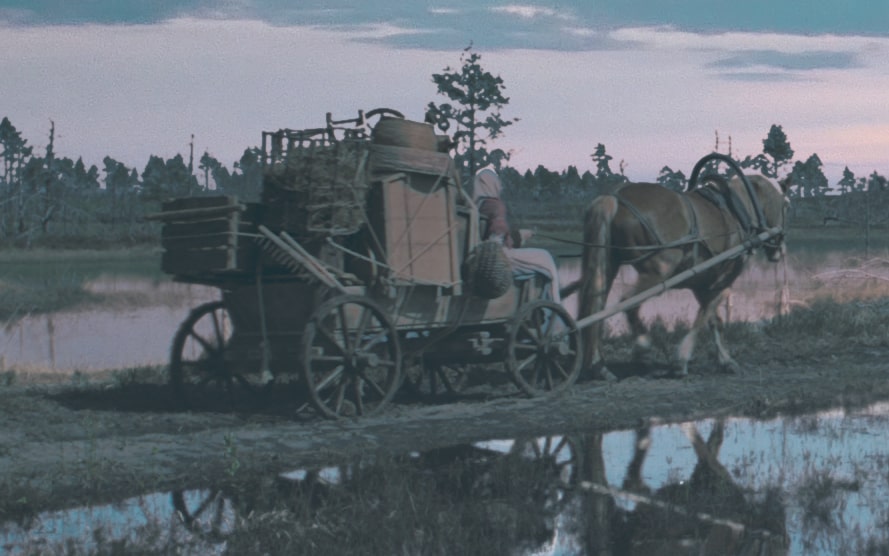
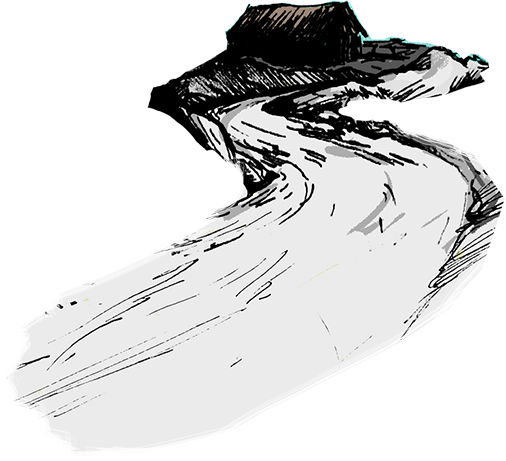
the locals is the road up to “Robber`s Rise”, including its bog bridge. This bridge
was described in Truth and Justice as a place where carriages and horses were
constantly stuck.
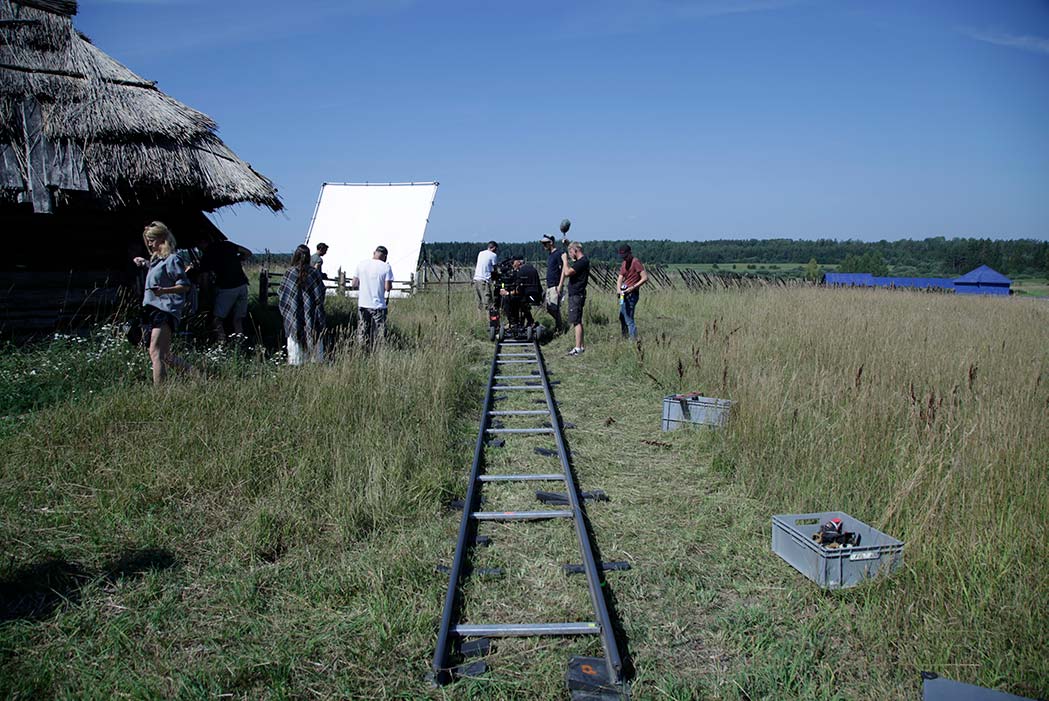
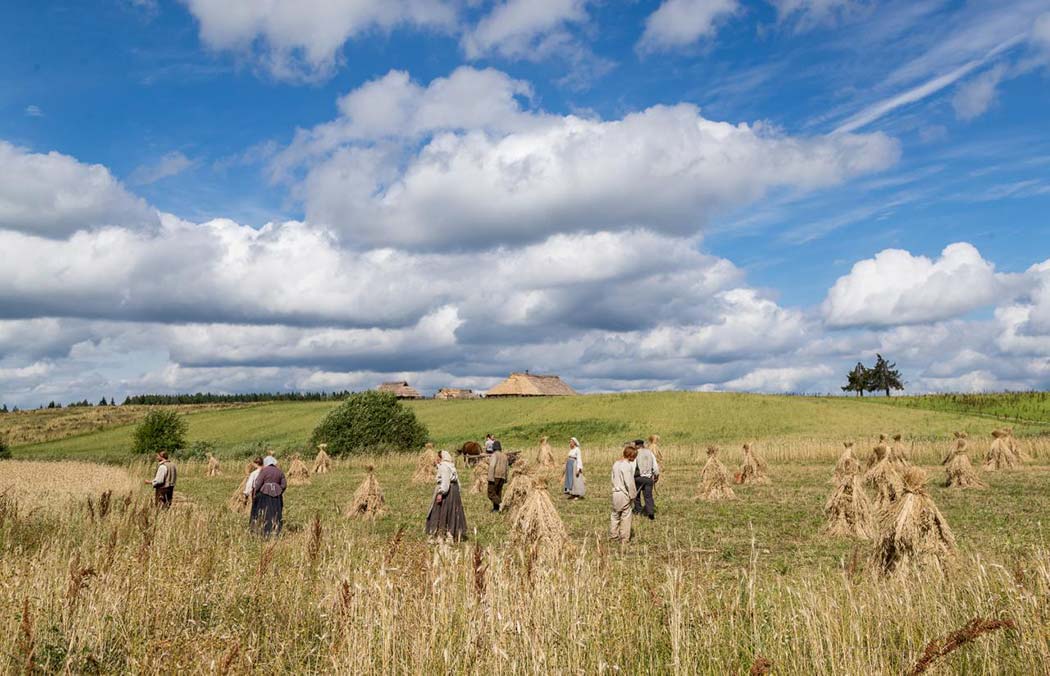
Moreover, the new “Robber`s Rise“ that was built for the film will also remain
— situated near the village of Vastse-Roosa, where filming occurred, this new
construction has become an important place in and of itself, becoming well known and
prominently advertised as a filming location.
Task
In order to understand how nature or landscapes is/are represented, interpreted and
described in a literary text, one should examine how the author has constructed his
descriptions. In other words, one should pay attention to the natural signs (i.e.
signs derived from nature) found in the written text.
- Find a paragraph in the Truth and Justice novel that describes the
landscape. (You can use the search function and insert some keywords indicating
nature/landscape, farming, digging ditches, bad roads, etc.)
- Based on the paragraph you find, answer to following questions:
- From whose perspective is the landscape described? Does the author refer to
bodily feelings or activities that are related to the landscape?
- Are there some specific species names, place names or natural terms (for
example to describe surface forms) used by the author?
- Is it possible to find evaluations, assessments, or emotional messaging related
to landscapes/nature in the given text? If yes, what kind?






Drag and drop or upload an old photo!
Upload an old photo!